
 +1987 123456
 info@example.com
 +9987 554855


What to Expect from a Spine Rehabilitation Clinic in Langley
Back pain is one of the most common complaints in both clinical and everyday settings. From office workers hunched over desks to active individuals recovering from injuries, the need for reliable recovery methods continues to grow. A Spine Rehabilitation Clinic in Langley is designed to address these issues with focused strategies aimed at improving physical function, easing tension, and reducing the likelihood of future problems.
If you’re unsure about what these clinics actually do—or whether they’re a good fit for your situation—this article breaks down key insights gathered from professionals working in the field. Whether you’re managing persistent discomfort or recovering from surgery, these observations may help shape your approach to spine health.
What Is a Spine Rehabilitation Clinic?
A Spine Rehabilitation Clinic in Langley typically focuses on the treatment and recovery of individuals experiencing a wide range of spine-related conditions. These include chronic lower back discomfort, herniated discs, sciatica, spinal stenosis, postural strain, and post-surgical rehabilitation.
Clinics are staffed with trained professionals such as physiotherapists, chiropractors, kinesiologists, and rehab assistants who work together to create a care plan. Sessions may involve physical therapy, strengthening exercises, postural corrections, and education to prevent reinjury. The goal is to help patients improve their movement, manage discomfort, and regain daily function—without rushing the body’s natural pace of recovery.
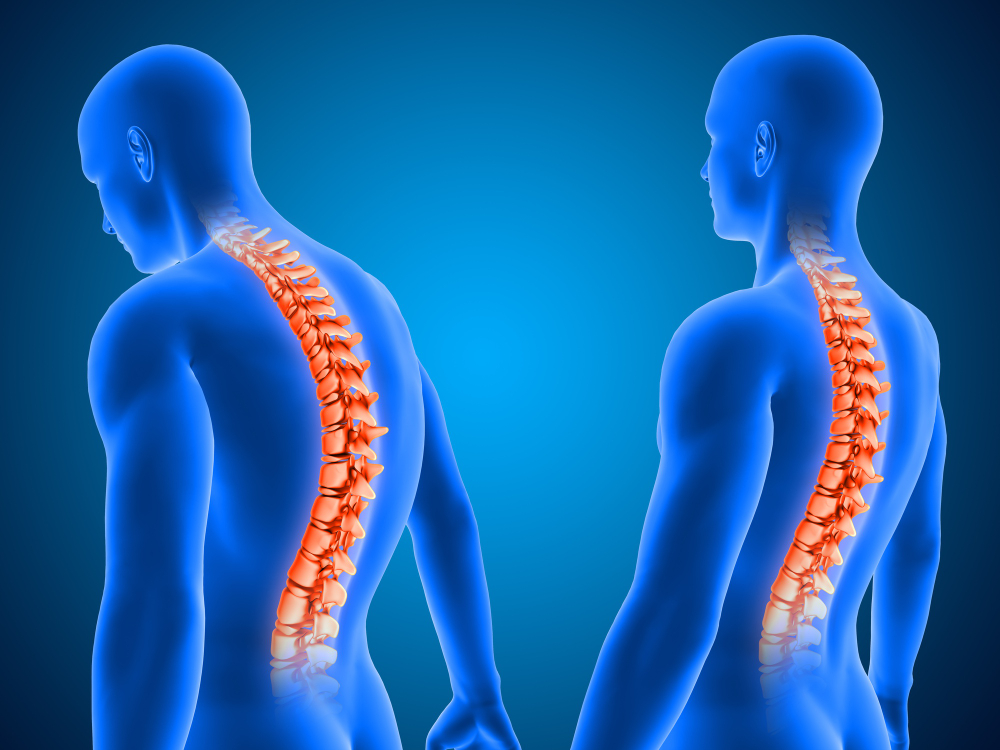
Who Benefits Most from Visiting a Spine Rehabilitation Clinic in Langley?
The clientele at a Spine Rehabilitation Clinic in Langley varies widely. Here are some groups who commonly seek care:
- Office workers dealing with poor posture and repetitive strain
- Athletes recovering from spinal injuries or overuse
- Seniors with age-related spinal degeneration or mobility challenges
- Individuals with chronic conditions like arthritis or scoliosis
- Post-surgical patients needing structured rehabilitation
- People recovering from car accidents involving whiplash or spinal trauma
Because the spine connects with almost every movement and structural function in the body, nearly anyone experiencing persistent discomfort in the back or neck can benefit from professional care.
1. Early Intervention Matters More Than You Think
One of the first insights from any Spine Rehabilitation Clinic in Langley is the importance of acting early. Many people wait weeks—or even months—before addressing back issues, assuming they’ll resolve on their own. Unfortunately, delaying care can result in compensatory patterns, where other parts of the body are strained while trying to avoid pain. Early evaluation allows therapists to assess the issue, correct movement patterns, and begin targeted exercises that speed up recovery.
2. Core Strength Is About More Than Abs
When people hear “core strength,” they often think of sit-ups or six-pack abs. But in clinical rehab, core strength refers to deep muscles in the abdomen, pelvis, and lower back that stabilize the spine. A weak or imbalanced core is a major contributor to ongoing back discomfort.
At a Spine Rehabilitation Clinic in Langley, professionals assess how your core functions as a unit. The focus is placed on activating deep stabilizers like the transverse abdominis, not just visible muscles. With time and training, this improved support structure helps reduce pressure on spinal joints and discs.
3. Posture Isn’t Just a Buzzword
Postural dysfunction plays a key role in most cases of recurring back problems. Slouched shoulders, forward head posture, and prolonged sitting contribute to unnecessary strain on spinal structures. However, fixing posture isn’t as simple as “sitting up straight.”
Clinics in Langley evaluate each patient’s posture in detail, identifying specific imbalances. Rather than applying one-size-fits-all solutions, therapists tailor movement strategies and workplace adjustments to fit real-life routines. With consistent correction, better posture becomes second nature.
4. Movement Trumps Rest
Years ago, the common advice for back discomfort was to lie down and avoid activity. Today, professionals know that prolonged rest can actually prolong the issue. A well-structured movement plan is now seen as one of the most effective tools in managing spine-related conditions.
A Spine Rehabilitation Clinic in Langley encourages safe, progressive movement. Patients are guided through exercises that activate muscles, encourage circulation, and improve flexibility. These movements aren’t overly intense—they’re structured to avoid flare-ups while still challenging the body to heal.
5. Pain and Damage Aren’t Always Equal
Another major takeaway from clinical practice is that the amount of pain a person feels doesn’t always reflect the level of physical damage. This is especially true in chronic conditions, where the nervous system becomes sensitized. Understanding this difference helps reduce fear and encourages people to stay active.
Clinicians at spine rehab centers spend time helping patients understand this concept, often using scans or simple movement tests. The focus shifts from avoiding pain at all costs to moving in safe, sustainable ways that promote confidence and control.
6. Recovery Looks Different for Everyone
There’s no universal timeline for recovery. Two individuals with similar injuries might progress at completely different rates. Age, lifestyle, previous injuries, mental health, and even sleep quality can influence outcomes.
A Spine Rehabilitation Clinic in Langley works closely with each patient to adjust strategies as needed. Some might benefit from manual therapy and stretching, while others see better results from resistance training or balance work. By adapting based on progress, therapists avoid plateaus and ensure that patients keep moving forward.
7. Education Is a Key Part of the Process
Finally, one of the most valuable aspects of spine rehab is the education patients receive. Learning how to sit, lift, stretch, and move properly empowers people to manage their condition in daily life. The aim isn’t just to ease current discomfort, but to build habits that prevent it from coming back.
Clinicians often provide ergonomic tips for workspaces, strategies for safe lifting, sleep positioning advice, and take-home exercise routines. These practical tools are often what make the difference between a short-term improvement and ongoing spine health.
Moving Forward
A Spine Rehabilitation Clinic in Langley offers more than just temporary support—it provides a structured environment for recovery, improved movement, and long-term spine care. By focusing on functional improvements and personalized strategies, these clinics meet people where they are in their recovery journey.
If you’ve been dealing with recurring back issues, limited mobility, or difficulty returning to daily routines, a spine rehabilitation program may be worth exploring. Back health isn’t something to put off, and the sooner you address it, the better your outcome tends to be.
