
 +1987 123456
 info@example.com
 +9987 554855

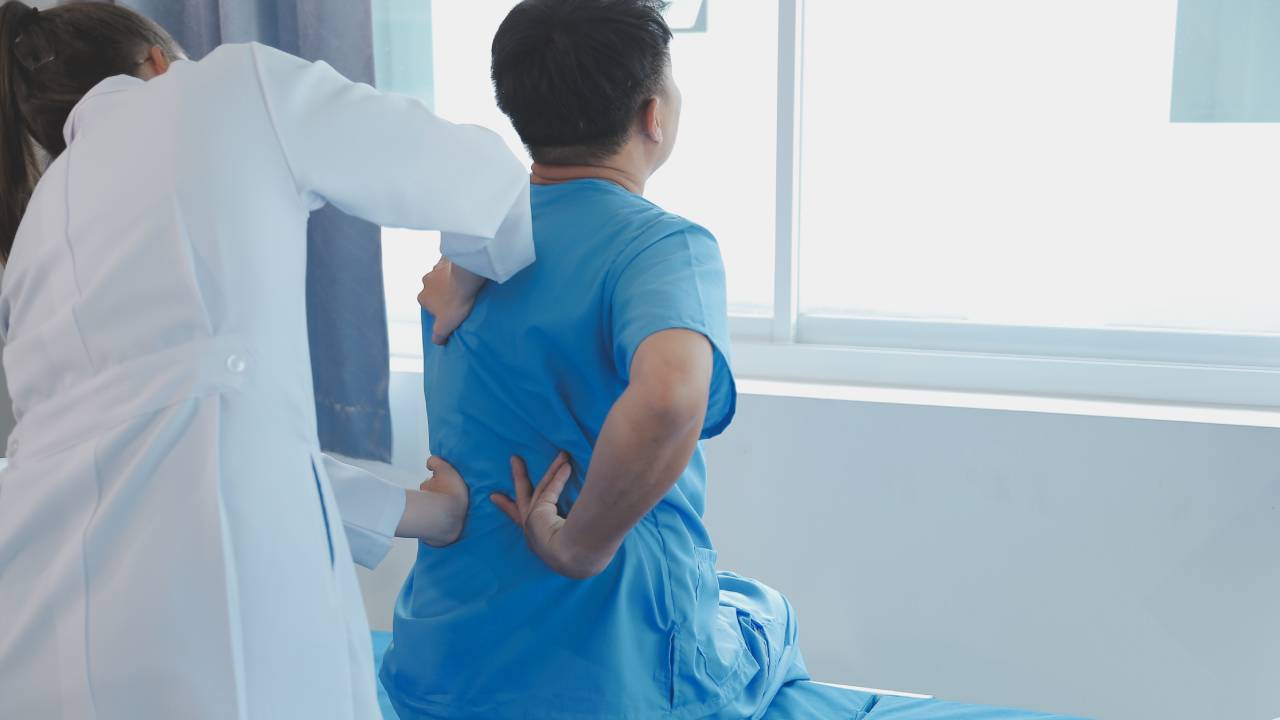
What Happens After Spine Surgery?
Spine surgery can address structural issues that limit mobility, cause nerve pain, or reduce your quality of life. However, surgery rarely marks the final step in recovery. In many cases, the real work begins once the incision has healed. That’s where spine rehabilitation plays a critical role.
Even after a successful procedure, many people experience stiffness, weakness, and difficulty returning to daily routines. Without structured support, setbacks can occur, and in some cases, long-term function may be compromised.
Why Spine Rehabilitation Matters
Rehabilitation isn’t about pushing yourself too soon or too hard. It’s a focused process guided by clinical knowledge and tailored care. When delivered through a spine rehabilitation clinic in Langley, rehab becomes a bridge between surgery and full recovery.
The primary goal is to help the spine, and the muscles that support it, regain function gradually and safely. For many people, this also means reducing pain, restoring balance, and feeling confident enough to return to work or family life without hesitation.
How a Clinic-Based Rehab Program Helps
Not all recovery needs are the same. That’s why working with a spine rehabilitation clinic in Langley gives you access to personalized support from trained physiotherapists who understand the complexity of spine surgery recovery. Through a combination of manual therapy, movement training, and functional retraining, your care team guides your progress, tracks milestones, and adjusts your plan as needed.
1. Regain Movement Without Risk
In the early weeks after spine surgery, even simple tasks like sitting, standing, or rolling over in bed can be challenging. Moving incorrectly could stress healing tissues or delay recovery.
A spine rehabilitation clinic in Langley offers structured guidance that helps you learn how to move safely. This includes training for safe transitions, proper lifting mechanics, and posture correction to avoid aggravating the surgical site.
2. Manage Pain and Discomfort Naturally
Post-operative discomfort is common, but pain shouldn’t dominate your recovery experience. Skilled therapists use gentle, targeted methods to address muscle tightness, nerve sensitivity, and joint stiffness.
Your care plan may include soft tissue techniques, gentle mobilizations, or guided stretching to reduce reliance on medications. Over time, this approach may help recalibrate how the nervous system interprets pain.
3. Restore Strength and Core Stability
When the body compensates for spine pain, specific muscles weaken while others overwork. Surgery can relieve pressure, but it doesn’t automatically correct muscular imbalances.
A physiotherapist at a spine rehabilitation clinic in Langley designs exercises that strengthen your core, legs, and back in a way that supports long-term spine health. Gradual strength-building helps prevent future injuries and makes everyday tasks more manageable.
4. Reconnect with Balance and Body Awareness
Some spine surgeries relieve nerve compression, which can affect coordination or balance. Rehabilitation plays a key role in retraining those systems.
Balance training, proprioceptive drills, and gait retraining help restore your awareness of body position. A spine rehabilitation clinic in Langley may also incorporate exercises that rebuild confidence in walking or climbing stairs without fear of falling.
5. Follow a Recovery Plan Tailored to You
There’s no universal timeline for spine surgery recovery. Age, procedure type, and pre-existing conditions all influence how long it takes to feel like yourself again.
By working with professionals at a spine rehabilitation clinic in Langley, you receive a plan tailored to your pace. Your program adjusts as you heal, with milestones based on your individual progress, not generic benchmarks.
6. Feel Supported—Physically and Mentally
The emotional impact of surgery is often overlooked. Many individuals experience anxiety about movement, fear of reinjury, or frustration with setbacks.
A clinic-based approach creates space for reassurance and education. Knowing you’re not alone and that your recovery is monitored can ease emotional strain. Therapists at a spine rehabilitation clinic in Langley also help you understand what’s normal and what’s worth flagging, reducing uncertainty throughout the process.
Wrapping Up
Spine rehabilitation is not an optional extra; it’s an essential part of regaining function, stability, and independence after surgery. Whether you’re recovering from a disc procedure, fusion, or decompression, structured rehab can help you avoid complications and get back to the things you care about.
If you’re considering support after surgery, booking an assessment at a spine rehabilitation clinic in Langley is a practical step. With the right guidance, your recovery can be safer, steadier, and more informed.
To begin your post-surgical rehab journey with experienced professionals, consider reaching out to Carvolth Physiotherapy & Rehab in Langley.
